
The Armoury
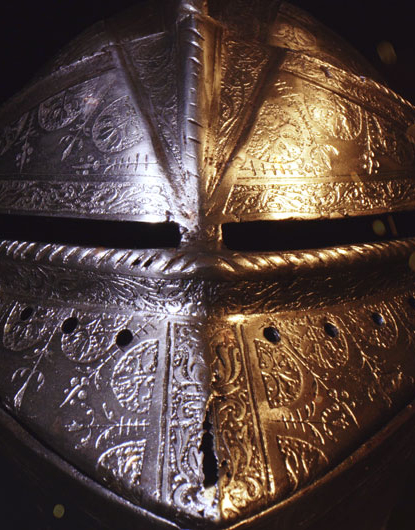
The new and refreshed Wawel Castle Armoury takes you on a journey through the centuries of Polish and European military art - from medieval swords to artfully decorated firearms.
The exhibition showcases the most valuable pieces from the Wawel collection in a modern and unique manner. It is a place where the history of arms comes alive – come and discover it yourself.
Please note – information regarding temporary changes to visiting arrangements can be found here.
The exhibition showcases the most valuable pieces from the Wawel collection in a modern and unique manner. It is a place where the history of arms comes alive – come and discover it yourself.
Please note – information regarding temporary changes to visiting arrangements can be found here.
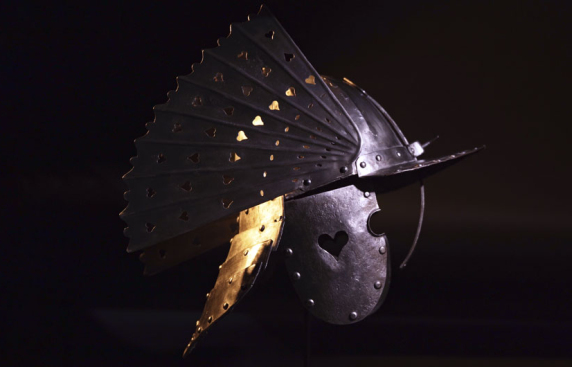
The Armoury
Where the history of arms comes alive
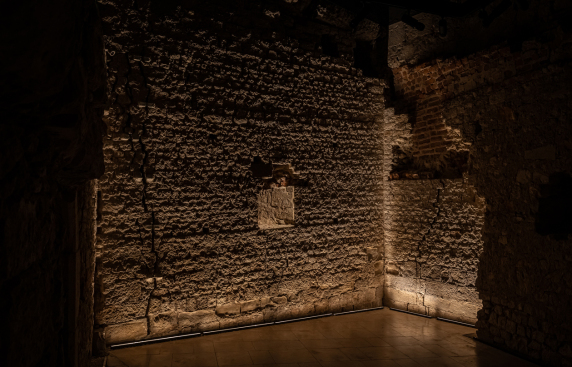
The Keep and the Danish Tower
The oldest traces of the defensive architecture of the Wawel Castle
Accessibility
Accessibility for wheelchair users and those using walking frames is only available on level 0 (such as the arcaded courtyard).
The exhibition is accessed via a ramp from the arcaded courtyard, and the castle staff at the entrance set up ramps.
At level 0, persons with disabilities have access to every room.
The armoury in the basement is not accessible to persons with disabilities – there is no lift.
The exhibition features tactile graphics for blind persons.
QUIET HOURS will be in effect on the following dates of 2026: January 7, 28; February 4, 25; March 4, 25; April 1, 29; May 6, 27; June 3, 24; September 2, 30; October 7, 28; November 4, 25; December 2, 30.
We also encourage you to visit our exhibitions on less busy days. The hours of 3 pm–5 pm, from Tuesday to Friday, provide a particularly quiet atmosphere.
Noise-cancelling headphones are issued at the reception desks at the start of the route and collected at the end of the route.
QUIET HOURS will be in effect on the following dates of 2026: January 7, 28; February 4, 25; March 4, 25; April 1, 29; May 6, 27; June 3, 24; September 2, 30; October 7, 28; November 4, 25; December 2, 30.
We also encourage you to visit our exhibitions on less busy days. The hours of 3 pm–5 pm, from Tuesday to Friday, provide a particularly quiet atmosphere.
Noise-cancelling headphones are issued at the reception desks at the start of the route and collected at the end of the route.