Anna Jagiellon. All the Faces of the Queen
For centuries, she was seen as the daughter of Sigismund the Old, the sister of Sigismund Augustus and the wife of Stefan Batory. But what was she like? She had to fight for her place, even though her lineage was sought after by those who were vying for the Polish throne. This autumn at the Wawel Castle, we will take a closer look at her own story - the decisions she made, the relationships she built and the legacy she left behind.
23 X 2026 – 14 II 2027
23 X 2026 – 14 II 2027
Curatorial team
Marta Golik-Gryglas, Dariusz Nowacki, Magdalena Ozga, Dr Magdalena Piwocka, Dr Joanna Winiewicz-Wolska
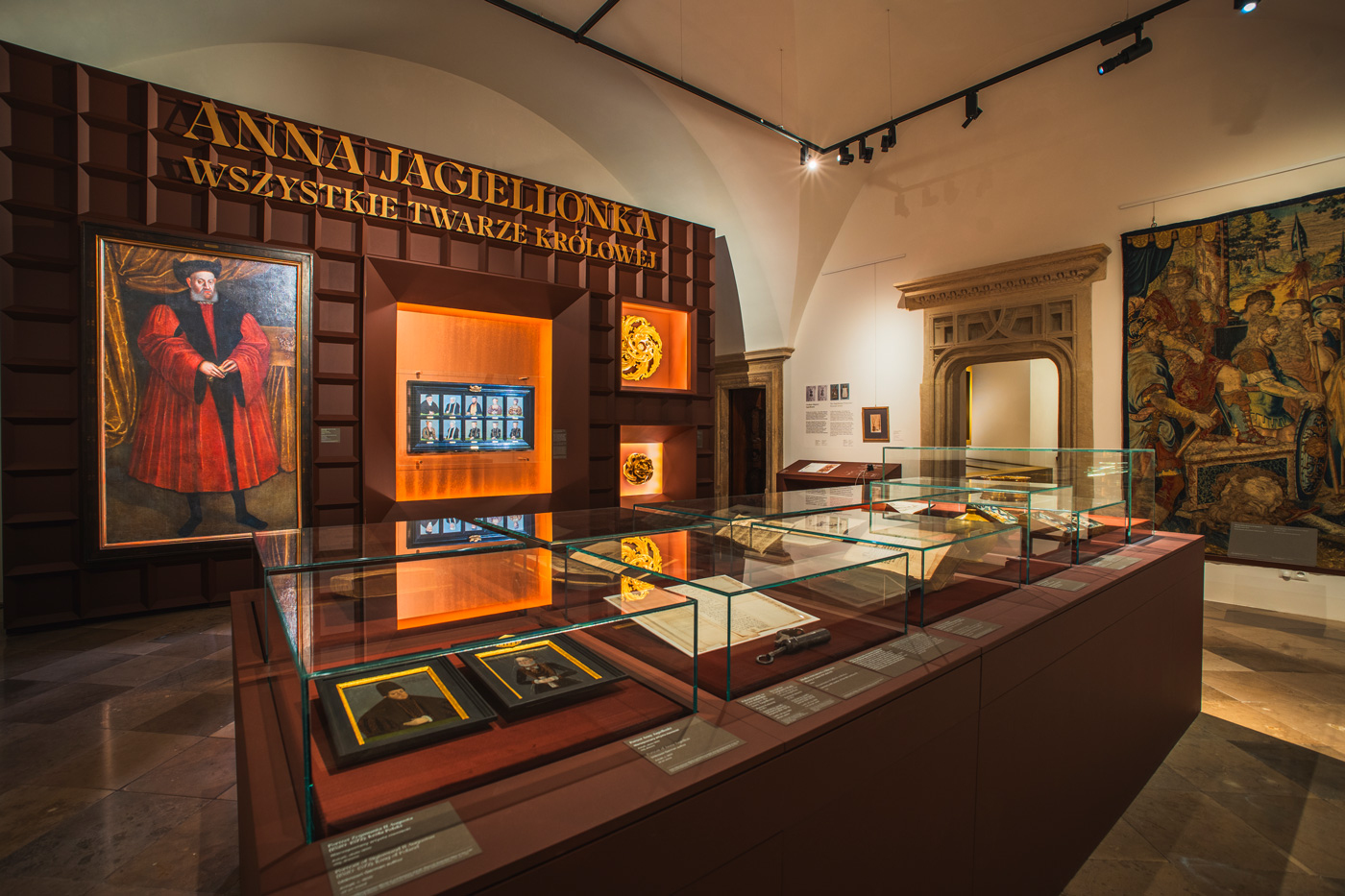
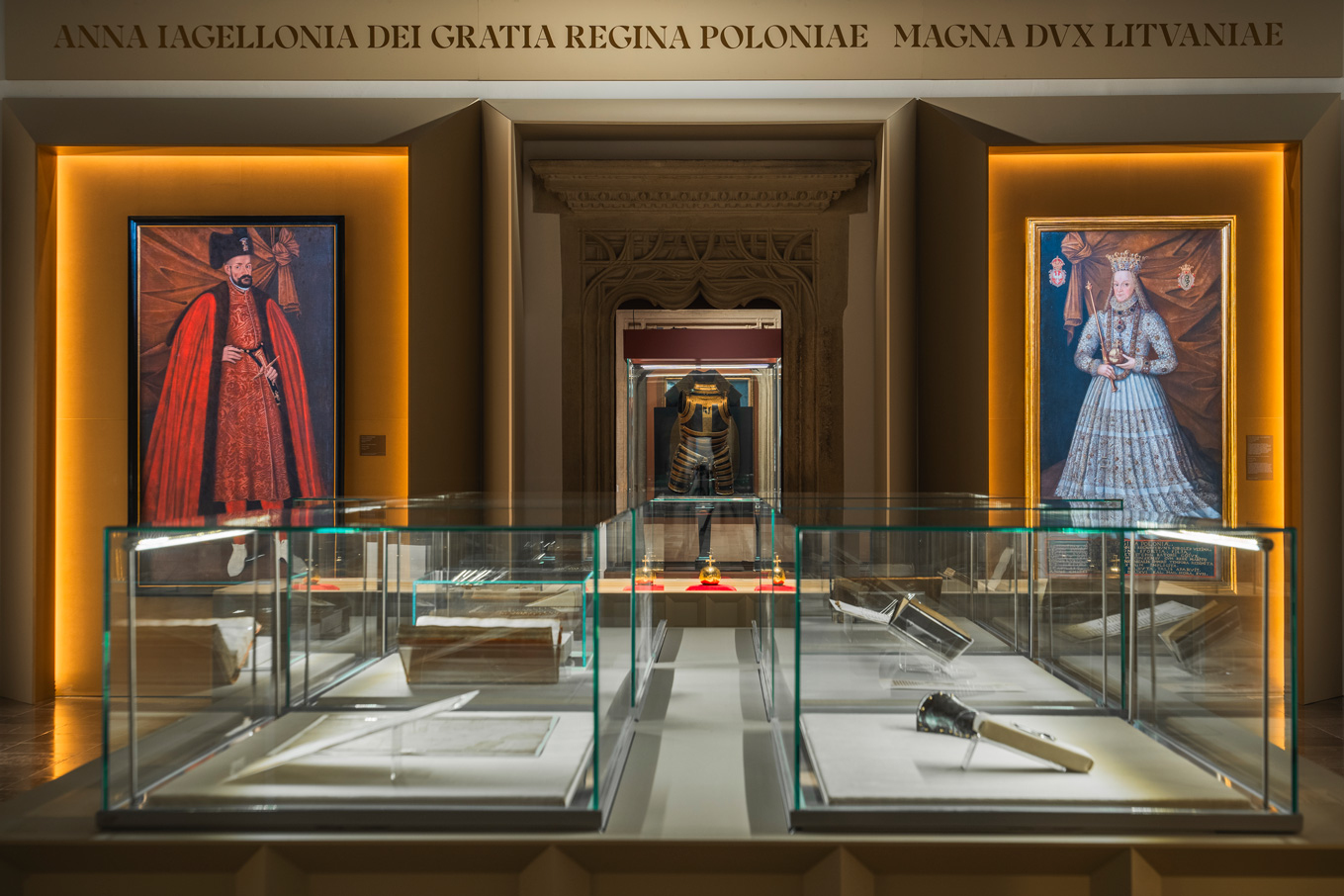
Overlooked or indispensable? Humble or unyielding? Passive or active? The questions from the exhibition preview lead us to six castle chambers. The artefacts held there offer a glimpse of Anna beyond the established narratives and allow us to get to know a woman who consistently fought for her rights and to preserve the memory of the Jagiellonian dynasty.
The story begins at Wawel, where Anna was born and spent her youth. Miniatures from Lucas Cranach the Younger’s studio depict her among members of the royal family. The three youngest sisters are wearing similar outfits, and they can be told apart by the lockets with their initials. Sigismund Augustus plays an important role in the family history. Following his heirless death, Anna had to find her place in the power vacuum of the interregnum.
The exhibition will trace her path to the crown and her life with Stefan Batory. The couple’s letters enable us to examine their relationship more closely and go beyond the famous story of a loveless marriage - they show evidence of partnership and mutual care. Visitors will also see a jewel bearing Batory’s profile, recovered from Anna’s grave — a personal memento of her husband.
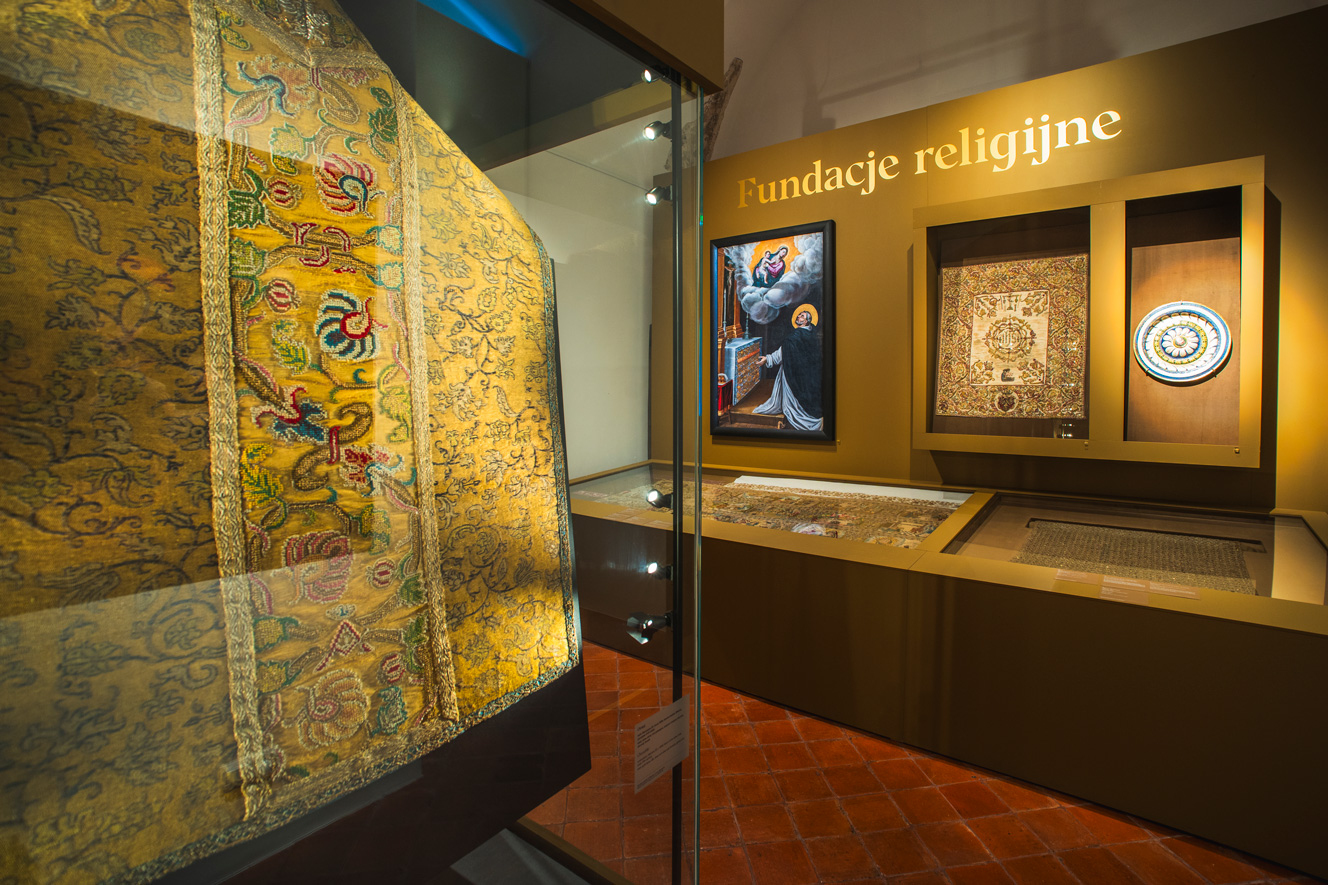
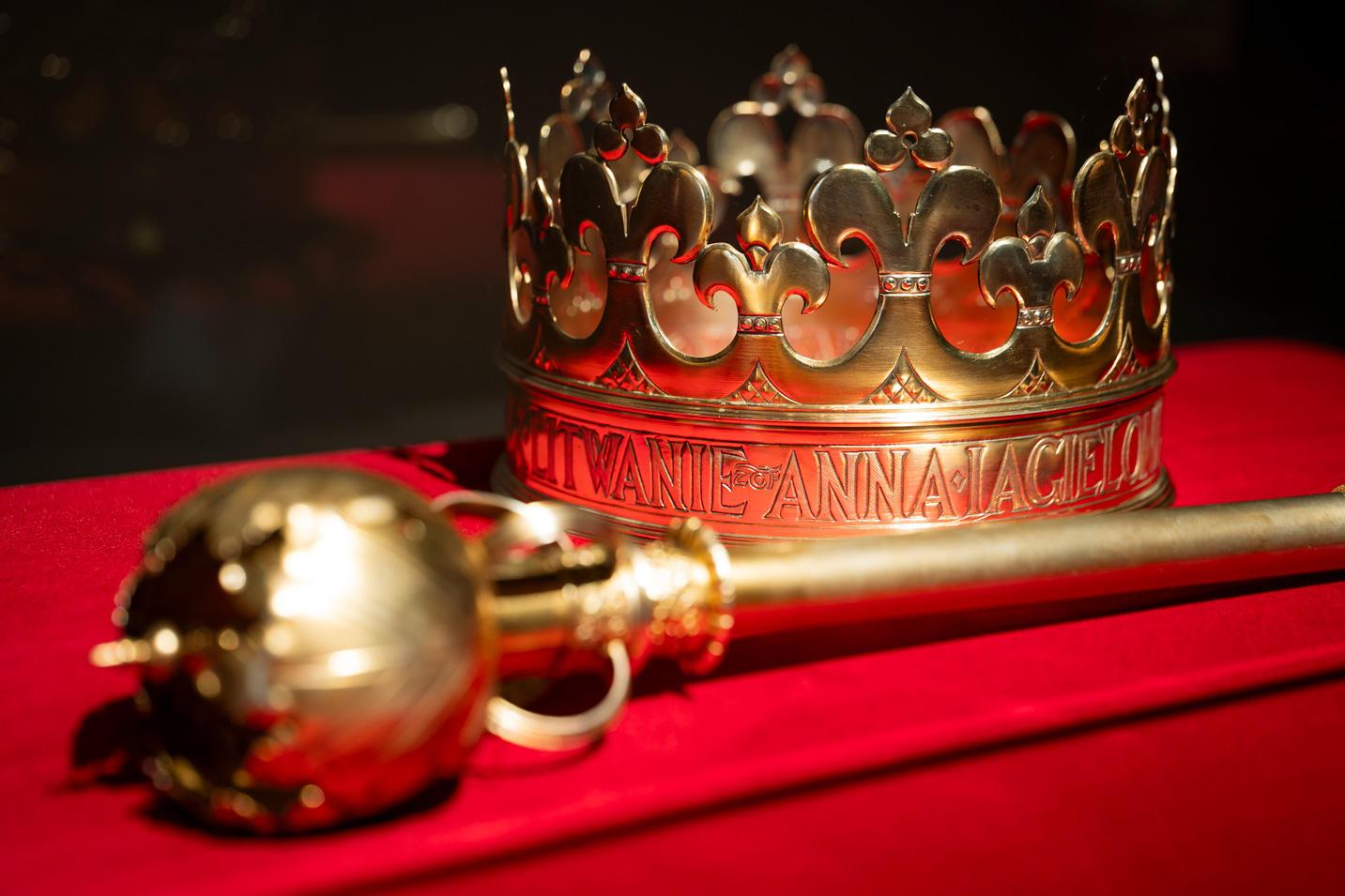
After his death, the queen became involved in efforts to secure the Polish throne for her nephew, Sigismund III Vasa, whom he saw as a guardian of the Jagiellonian heritage. She also kept the memory of her family alive through artistic and religious foundations. The goldsmith’s works and textiles donated to the Sigismund Chapel bear witness to her generosity, piety and sense of dynastic duty. To this day, the gold plating on the chapel’s dome, which she commissioned, also serves as a reminder of her legacy.
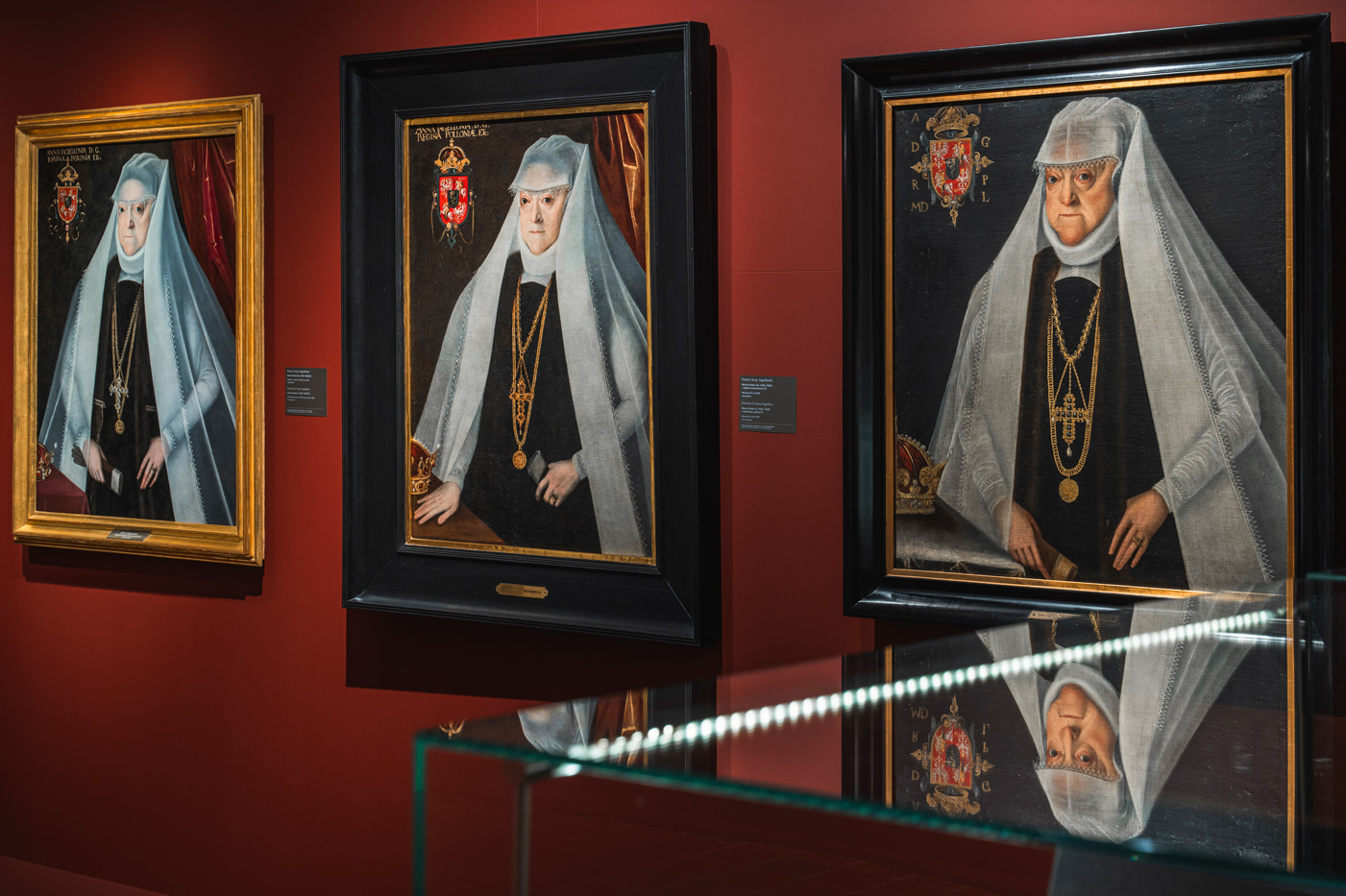
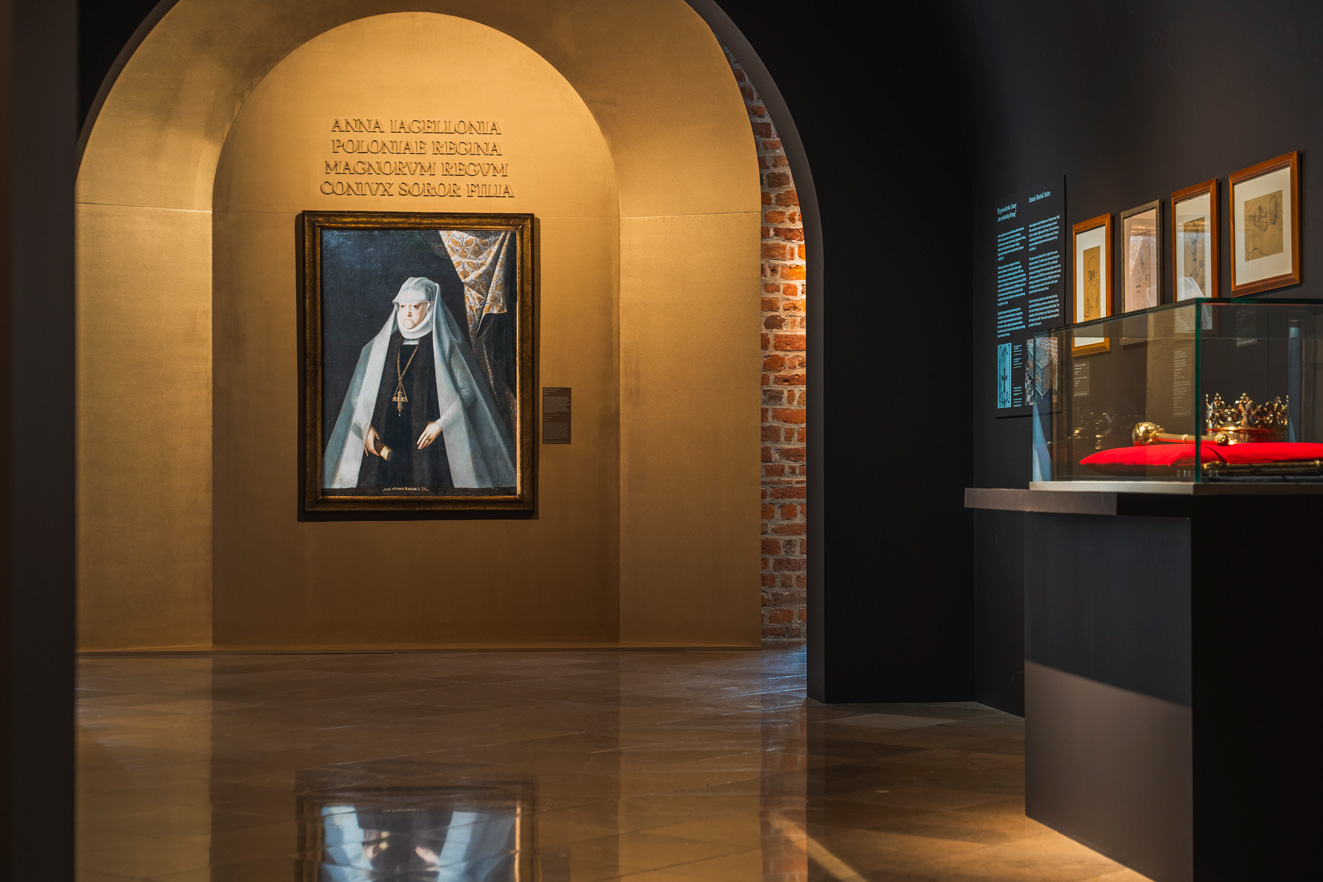
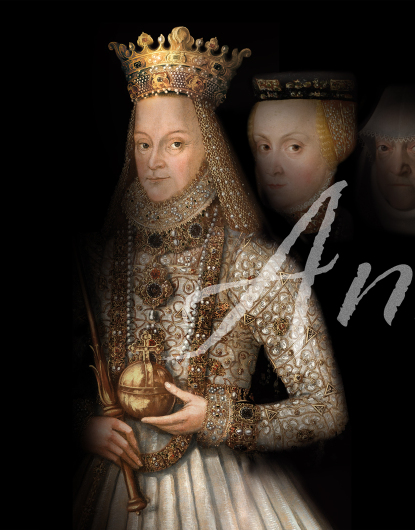
The portraits of Anna Jagiellon will feature prominently in the exhibition. All the well-known historical portraits of the queen will be on display at the Wawel Castle, including those of the so-called ‘Kober’ lineage, associated with the work of the court painter Marcin Kober. The exhibition will be an opportunity to present the results of research and conservation work carried out on several of these items as part of a programme initiated by the Museum of King Jan III’s Palace at Wilanów. The faces referred to in the exhibition title also represent Anna’s various roles - as princess, ruler, wife and patroness, who wished to preserve the memory of her family.
To mark the 450th anniversary of her coronation and the 430th anniversary of the death of Anna Jagiellon, we invite you to visit the place important to her since her early life.
History has already passed judgement on her. Come and discover it anew.
23 October 2026 – 14 February 2027
To mark the 450th anniversary of her coronation and the 430th anniversary of the death of Anna Jagiellon, we invite you to visit the place important to her since her early life.
History has already passed judgement on her. Come and discover it anew.
23 October 2026 – 14 February 2027
Necklace

The necklace was inspired by portraits of Anna Jagiellon – the details depicted in them and the meanings hidden in the jewellery worn by the queen. The triangular forms in the Renaissance dress jewels (Anna’s coronation gown) and chains symbolise strength, stability, and female self-reliance. An equally important inspiration for the piece was the energy of the queen herself – self-assured, courageous, and independent.
However, the necklace was created for the modern woman who follows her own path, is not afraid to stand out, and is proud of her heritage. This is neither an imitation nor a reconstruction, but a contemporary, creative interpretation of period jewellery, a meeting of history and modern design. The geometric forms, inspired by the Renaissance, are treated here with greater austerity and boldness, emphasising their symbolic meaning.
Orska Jewellery Studio, 2026; gilded brass, white freshwater cultured pearls (regular and baroque), cabochon citrines; jewellery-making techniques.

Exhibition and Castle Partners
 Main Partner of the Wawel Royal Castle
 Education Patron and Strategic Partner of the Wawel Royal Castle
 Strategic Partner of the Wawel Royal Castle
 Carrier of the Wawel Royal Castle
 Partner of the Wawel Royal Castle
 Promotional partner of the exhibition
 Exhibition Partner
 Exhibition Partner
 Exhibition Partner
 Promotional Partner of the Wawel Royal Castle
 Patron of the Wawel Royal Castle
Media Patrons