
Masterpieces from the Lanckoroński Collection at the Wawel Royal Castle. A Third Look. A Story of Antiquity
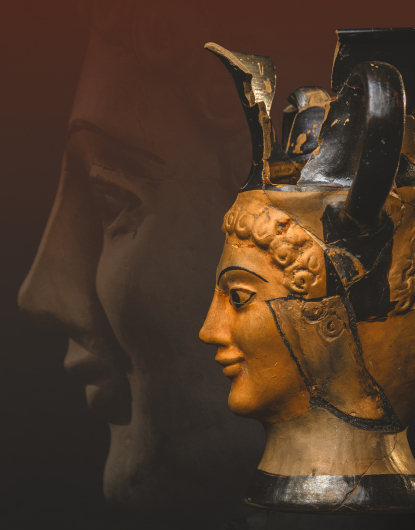
Masterpieces from the Lanckoroński Collection at the Wawel Royal Castle. A Third Look. A Story of Antiquity
Antiquity is closer than you think. Not as a bygone era, but as a source of inspiration whose traces can still be found in art and culture. From May onwards, Wawel Royal Castle invites visitors to discover unique artefacts from various parts of Europe and the United States. This is a unique opportunity to see one of the most important private collections of antiquities and to look at the Antiquity from a new perspective.
The Lanckoroński collection once again reveals its richness, demonstrating that the legacy of Antiquity extends beyond the confines of museums – it continues to shape and inspire successive generations.
8 May – 30 August, 2026
The Lanckoroński collection once again reveals its richness, demonstrating that the legacy of Antiquity extends beyond the confines of museums – it continues to shape and inspire successive generations.
8 May – 30 August, 2026
Wawel Collection – the starting point of the story
As a starting point, the exhibition takes the objects currently held in the collections of the Wawel Royal Castle – a gift from Karolina Lanckoroński and the Lanckoroński Foundation donated in 2000. This small but extremely valuable collection forms part of the count’s former collection, which, by the end of the 19th century, was one of the largest private collections of antiquities in Europe.
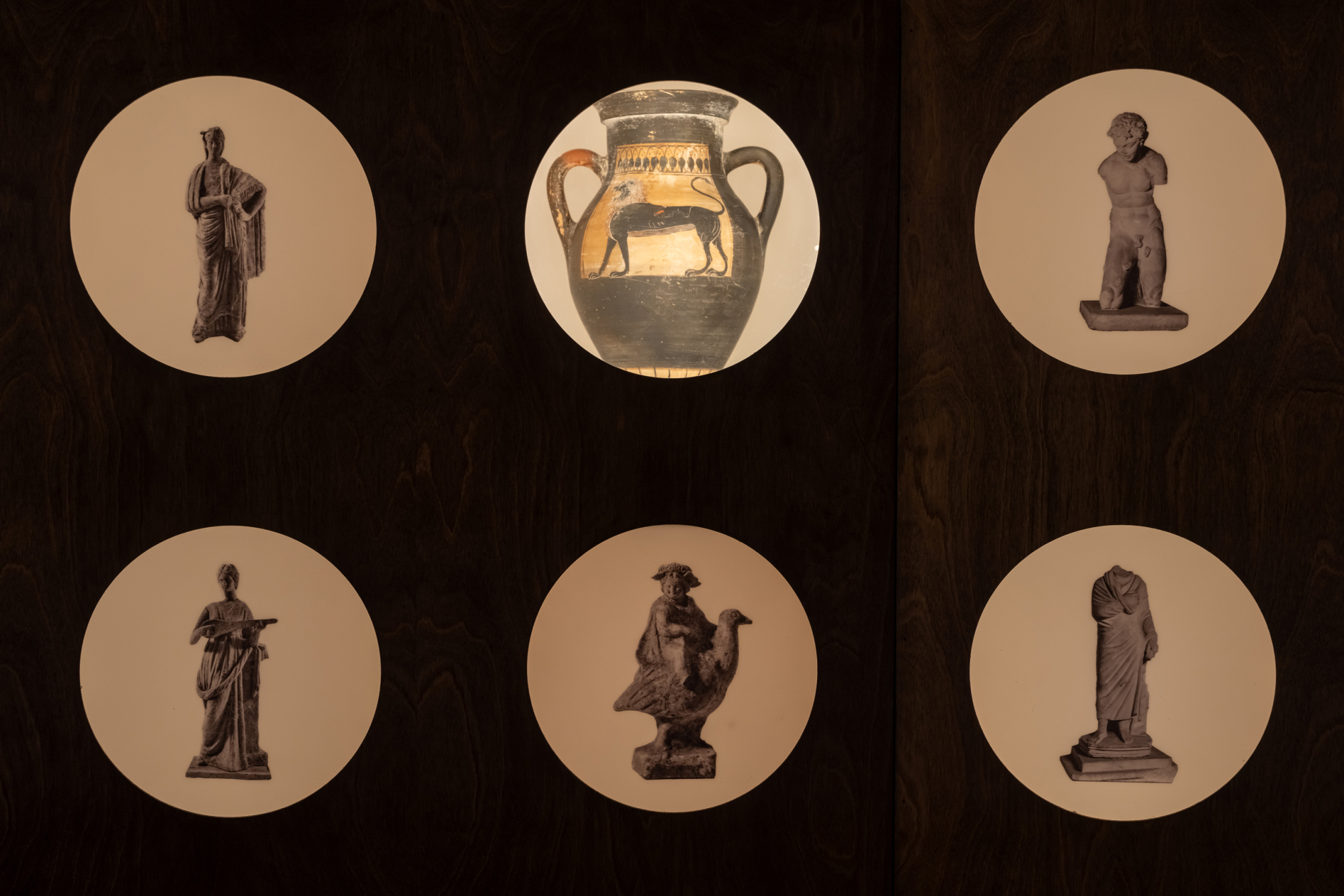
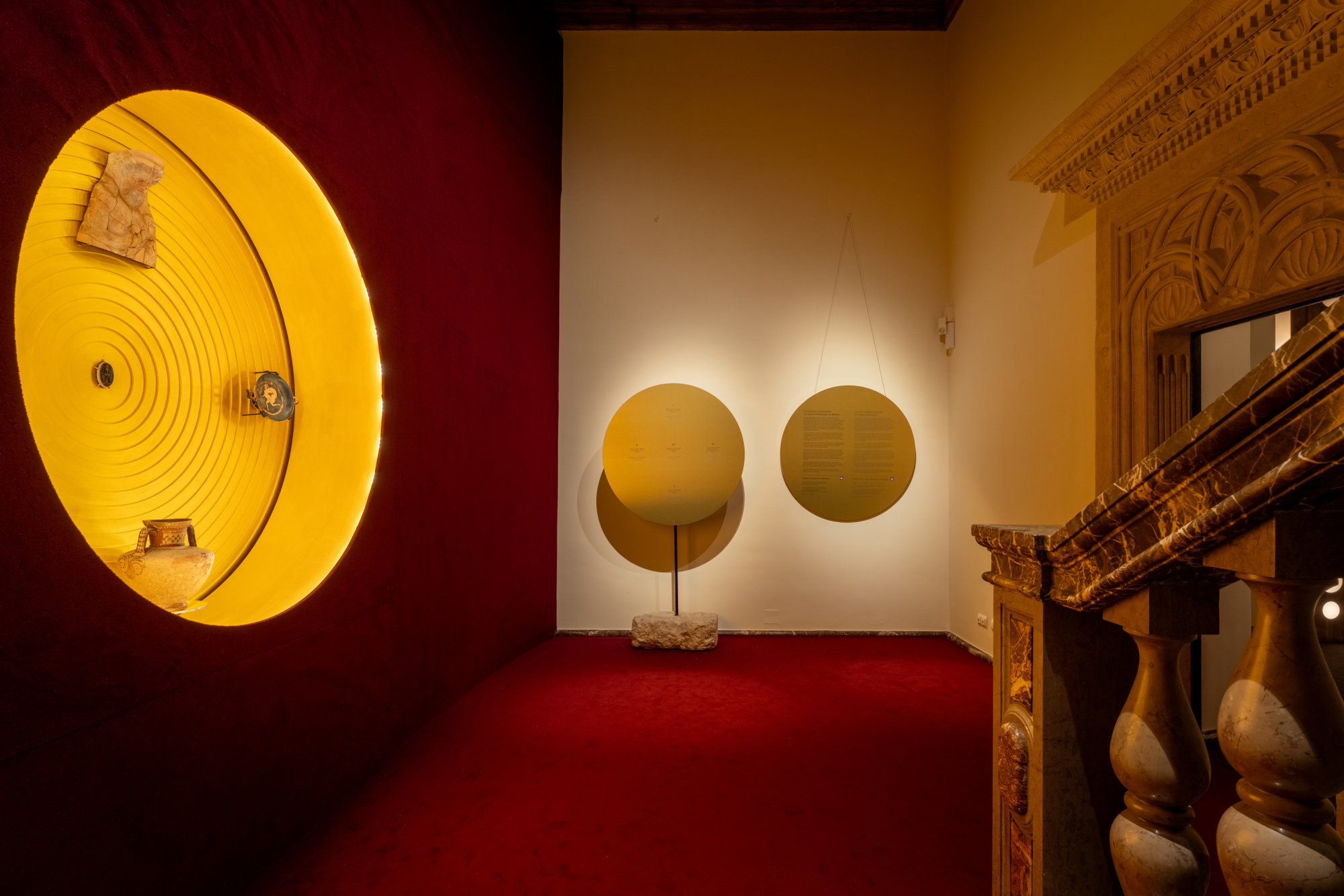
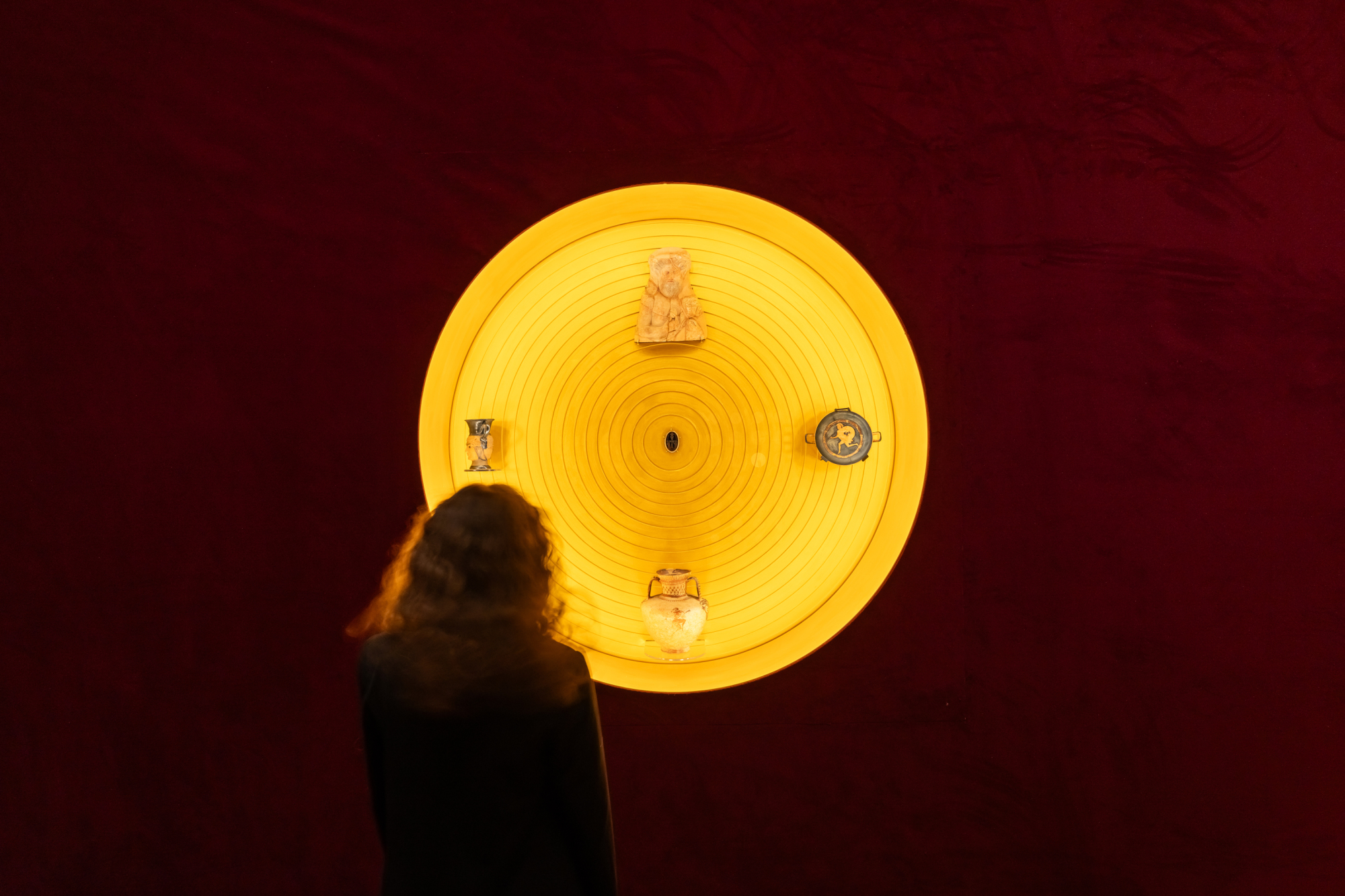
The exhibition will feature, amongst other things, vessels used during feasts: kantharos – a cup associated with the cult of Dionysus; kylix – a flat wine cup; and amphora – a vessel used for storing and transporting liquids. They are complemented by artefacts associated with the cult of Dionysus, including a carved protome of this god.
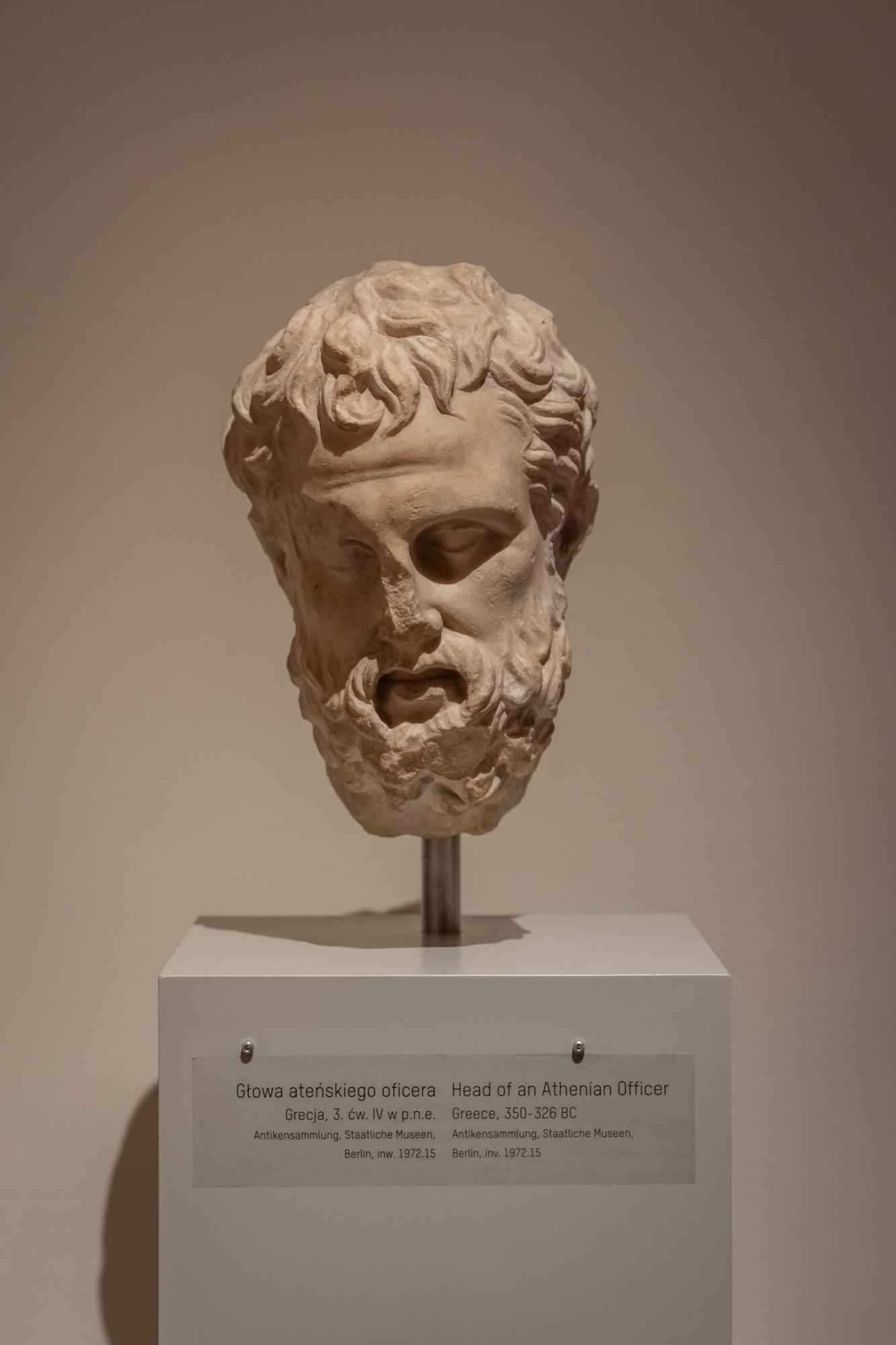
The exhibits also include a portrait head of a man from the Julio-Claudian dynasty, from the Getty Museum’s collection, as well as exceptional examples of decorative arts: a bronze mirror decorated with images of the Dioscuri and the so-called Lanckoroński gem from the 6th century AD, depicting a cross venerated by Saints Peter and Paul, above which stands a bust of Christ.
Karol Lanckoroński – collector and scholar
Karol Lanckoroński was not only a collector, but also an expert and scholar studying the Mediterranean cultures. He took part in Austrian archaeological expeditions and organised his own research expeditions in Asia Minor. One of their results was a two-volume study entitled Die Städte Pamphyliens und Pisidiens.
During his many travels and through his contacts with scholars, artists and antiquarians, he collected works of ancient art: sculptures, reliefs, architectural details, vessels and small objects of artistic craftsmanship representing various regions of the ancient world.
The diversity of Lanckoroński’s antiquities collection
The exhibition also highlights the broader context of the collector’s interests. The exhibition will feature items from the family estate in Rozdół, artefacts donated to the Jagiellonian University, as well as casts made during the archaeological expeditions in Asia Minor.
This compilation of materials gives an insight into both the scale of the collection and the scope of Lanckoroński’s academic work.
History of the collection
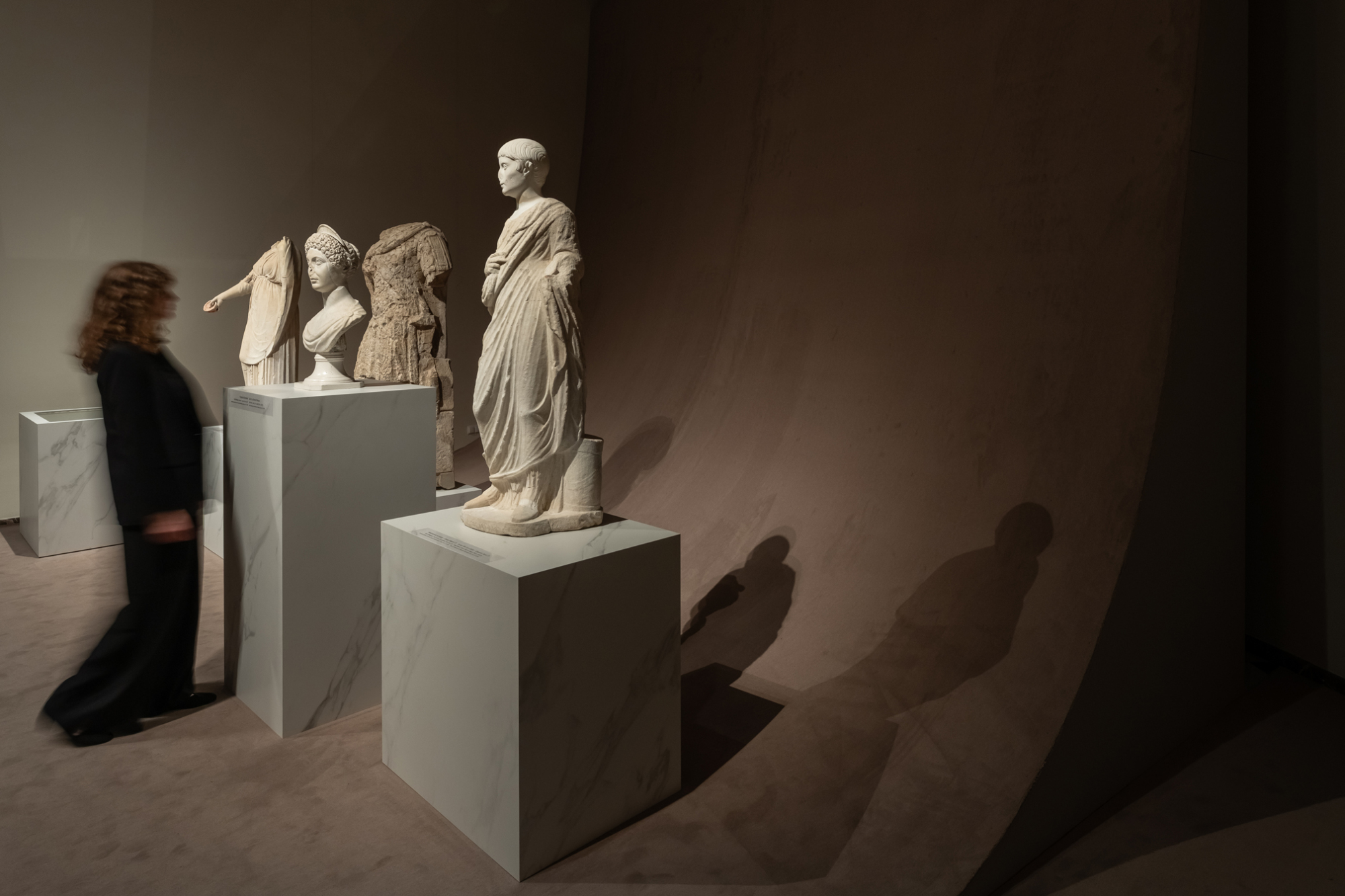
The collection of ancient art was one of the most important parts of the Lanckoroński’s collection, which had been housed in the Neo-Baroque palace at Jacquingasse 18 in Vienna since 1895. Established in the late 1870s, it was one of the largest private collections of antiques in the Austro-Hungarian Empire and was regarded as one of the most important collections of its kind in Europe. Antique artefacts were displayed in this mansion’s specially designed Fresco Room – a bright and spacious area serving as a private gallery, where sculptures and vessels were displayed on pedestals and in display cases. The centre of the premise was occupied by a monumental 3rd century sarcophagus, adorned with a relief depicting a procession of Eros figures in honour of Dionysus and Heracles – one of the most important works in the former collection.
The exhibition at the Wawel Royal Castle traces the history of this exceptional collection and its turbulent fortunes in the 20th century. Thanks to items borrowed from museums in Europe and the United States, as well as from private collections, it is possible to showcase its diversity and scale. The exhibition is accompanied by a comprehensive catalogue, which represents the first attempt at a comprehensive study of Karol Lanckoroński’s collection of ancient artefacts.
This is a unique opportunity to view the Antiquity in a context that brings together history, collecting and a contemporary perspective on art.
The exhibition at the Wawel Royal Castle traces the history of this exceptional collection and its turbulent fortunes in the 20th century. Thanks to items borrowed from museums in Europe and the United States, as well as from private collections, it is possible to showcase its diversity and scale. The exhibition is accompanied by a comprehensive catalogue, which represents the first attempt at a comprehensive study of Karol Lanckoroński’s collection of ancient artefacts.
This is a unique opportunity to view the Antiquity in a context that brings together history, collecting and a contemporary perspective on art.
Exhibition design
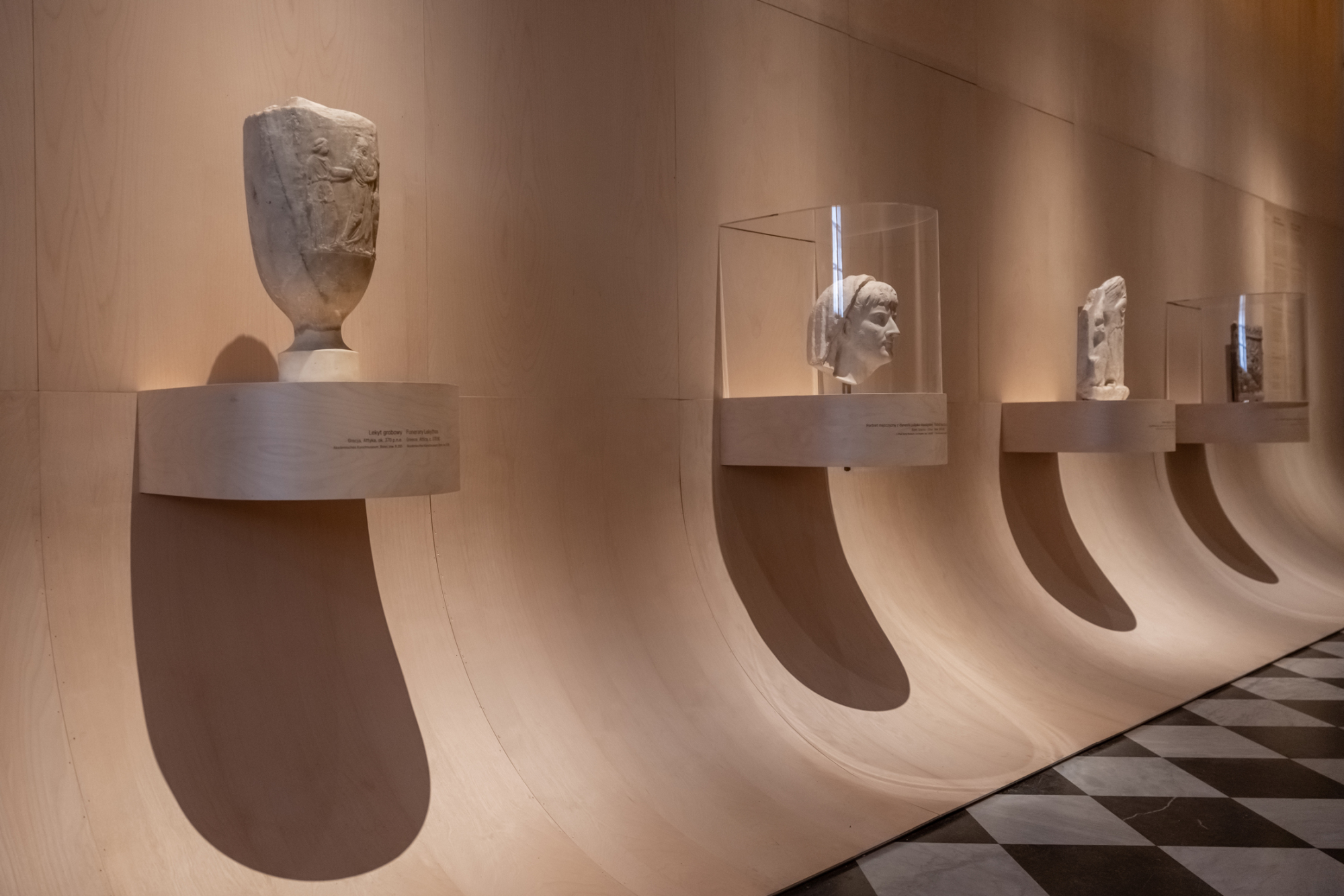
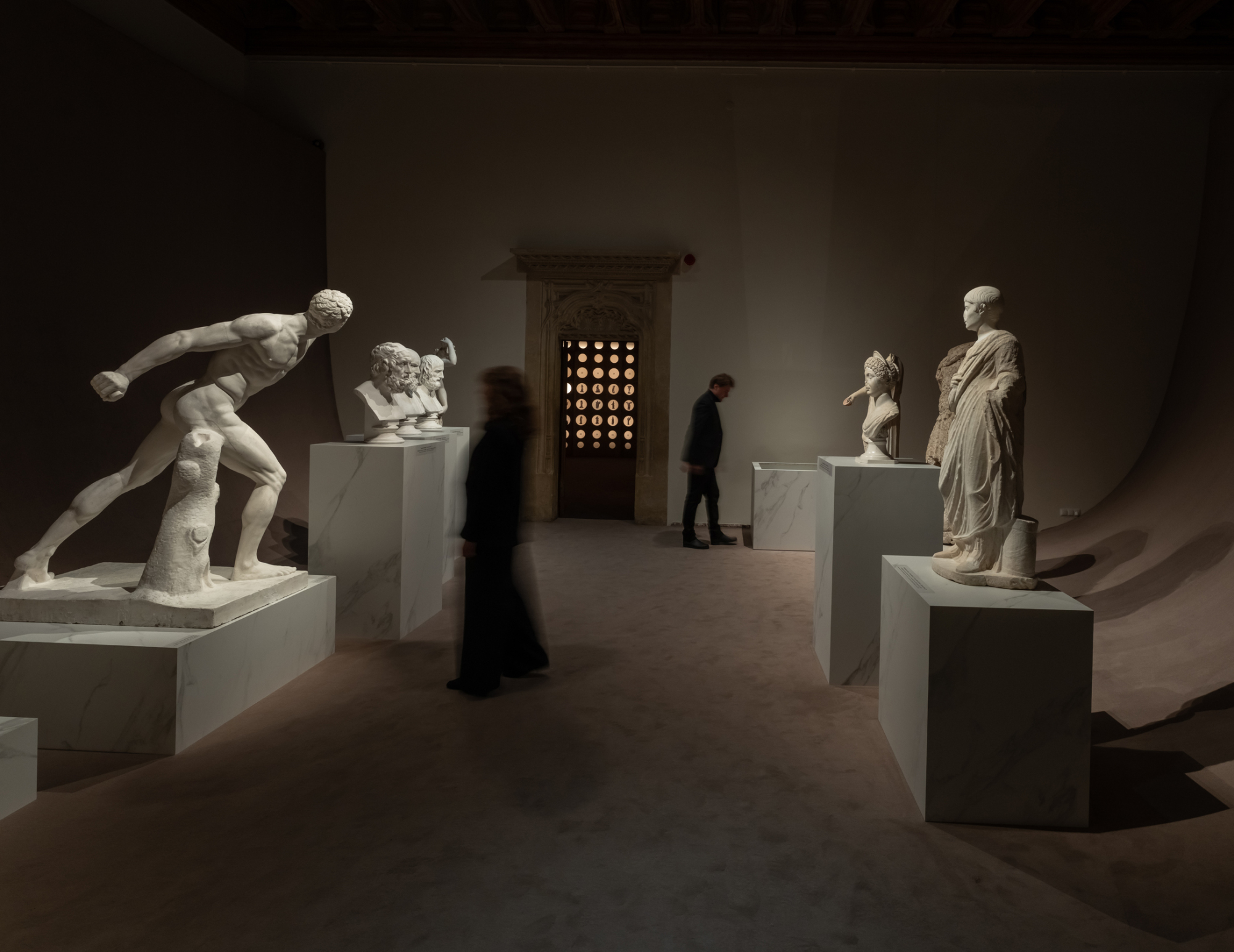
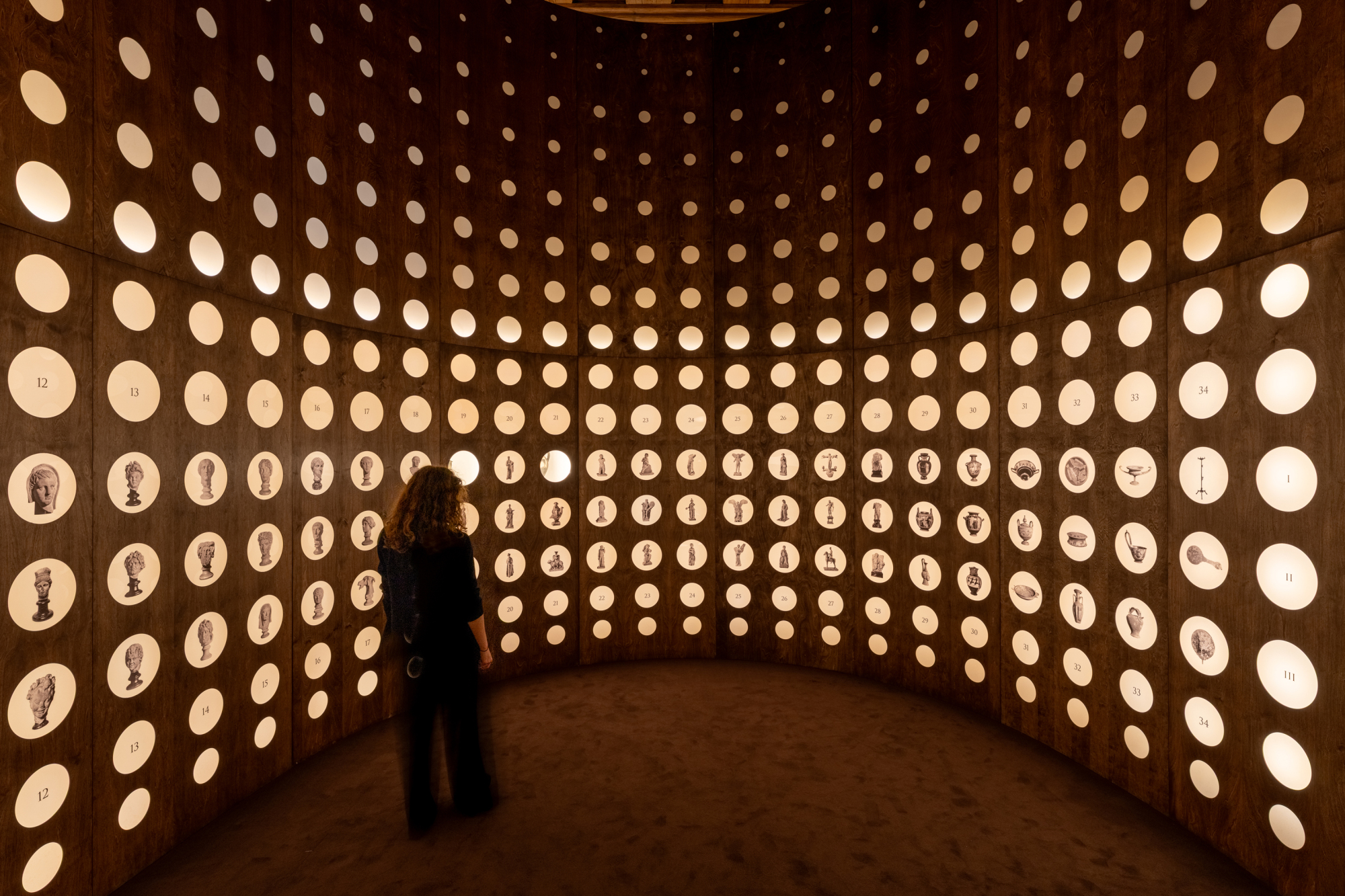
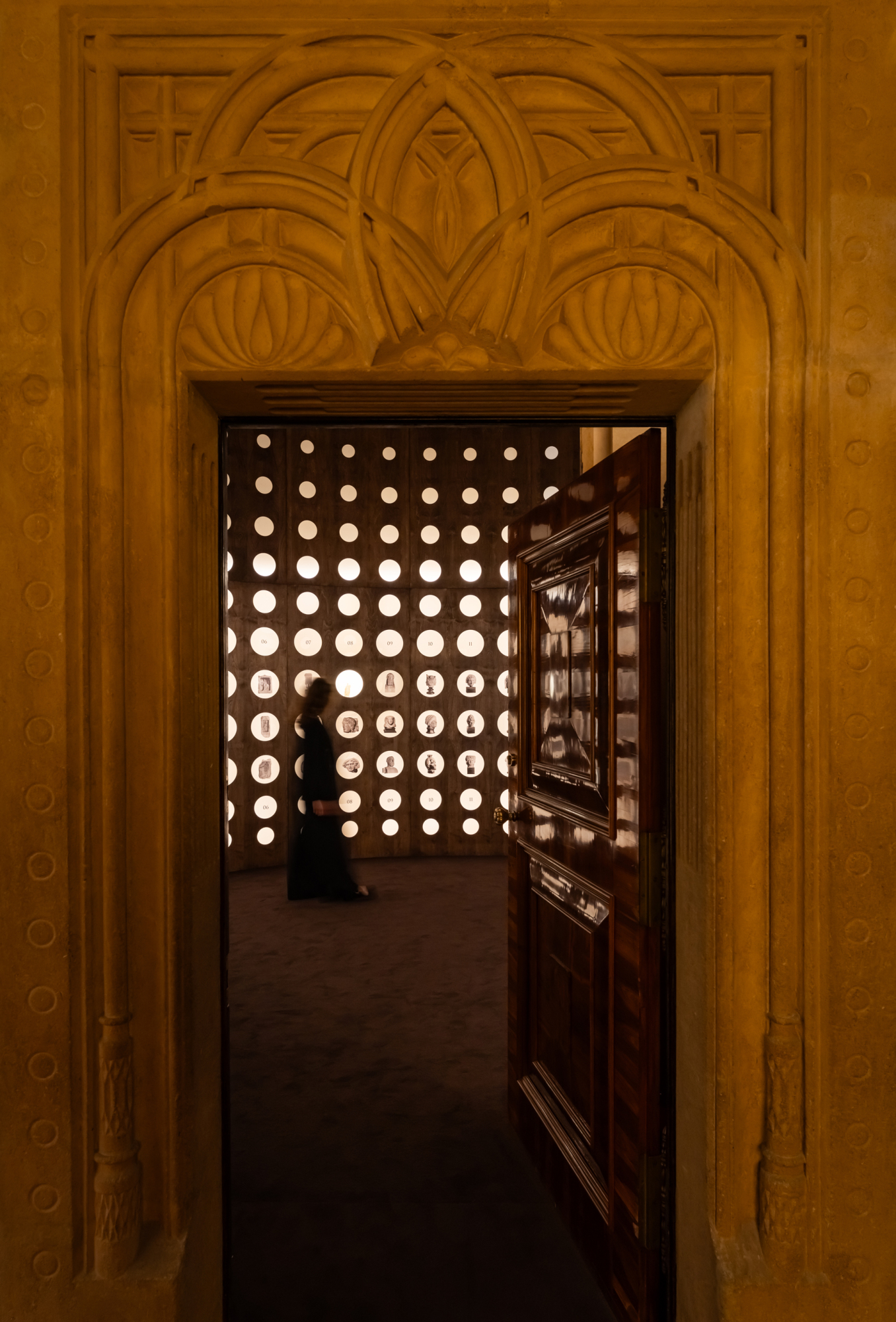
This modern exhibition design by Bartosz Haduch is inspired by the principles of ancient composition and classical geometry. Contemporary architectural forms and the use of natural materials create a space where the history of the collection meets the modern exhibition style.
Exhibition curatorial team: Dr Joanna Winiewicz-Wolska, Bartłomiej Makowiecki



 Wawel Royal Castle Main Patron
 Wawel Royal Castle Education Patron and Strategic Partner
 Wawel Royal Castle Strategic Partner
 Wawel Royal Castle Carrier 2026
 Wawel Royal Castle Patron
 Wawel Royal Castle Patron










 Exhibition Promotional Partner