Silk and Splendor: Kontusz Sashes
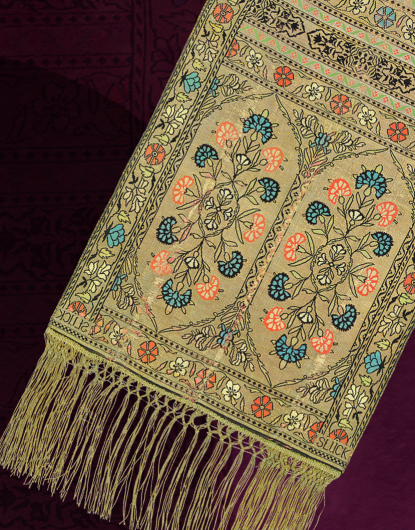
Silk and Splendor: Kontusz Sashes in the Collection of Wawel Royal Castle
20 November 2026 – 28 February 2027
20 November 2026 – 28 February 2027
They were used as a status symbol, highlighted the owners’ taste and delighted with their craftsmanship. Over time, they have also come to symbolise Polish identity. Kontusz sashes are not only remarkable examples of traditional craftsmanship, but also a testament to fashion, customs and history. Discover the colourful world of sashes at the Silk and Splendor: Kontusz Sashes in the Collection of Wawel Royal Castle exhibition.
The exhibition features 63 artefacts from the collections of the Wawel Royal Castle, which showcase the variety of designs, the artistry of the weavers and the wealth of tradition associated with one of the most distinctive elements of Polish national garb.
In the 18th century, the kontusz sash was an integral part of the men’s national costume. Tied around the kontusz – a long robe with slit sleeves worn over the żupan – it stood out for its decorative quality and attention to detail. Initially modelled on highly regarded Persian and Turkish sashes, the craftspeople eventually developed their own distinctive styles. Kontusz sashes remained fashionable from the mid-18th to the early 19th century, then made a come-back in the second half of the 19th century, when the kontusz became a symbol of Polish identity (particularly in the Austrian partition) and the sashes became prized collector items.
Sashes collected by aristocrats constitute an important part of the Wawel Royal Castle collection. The core of the collection consists of 30 sashes from the Sapieha family collection, some of which still bear the owner’s marks. The Castle’s collection also features nine sashes from the Grocholski family collection, as well as individual sashes from the Pusłowski, Rey and Kowalski family collections.
The exhibition explores the history of the main kontusz sash production hubs, showcasing both their products and lesser-known specimen produced in provincial studios. The portraits accompanying the belts, sourced from the collections of Wawel Royal Castle, will enable visitors to view them in the context of period dress and customs.
The exhibition will also showcase the evolution of men’s national garb from the 18th to the 20th century, as well as the history of the collections that have ensured these unique fabrics have survived to the present day.
The exhibition will be accompanied by an academic catalogue devoted to the Wawel Royal Castle collection.
Exhibition and Castle Partners






Media Patrons